Incorporation of CRM Solutions in Freight Forwarding: Advantages and Challenges
The logistics business has grown increasingly complex in today’s fast-paced, globalized world, where customer expectations continue to evolve rapidly. As competition intensifies, freight forwarders face the dual challenge of engaging new customers while retaining existing ones. Maintaining customer satisfaction, handling intricate supply chains, and managing logistical operations have become more difficult than ever. To remain competitive, freight forwarders must streamline their processes and enhance customer relationships. Incorporating CRM software into freight forwarding operations is a powerful solution to these problems. CRM systems not only facilitate better customer interactions but also boost operational efficiency and improve customer loyalty.
In this blog post, we will explore the various advantages of integrating CRM systems into freight forwarding operations, why it’s a strategic move for logistics companies, and some challenges to consider when implementing this technology.
1. Understanding Freight Forwarding and CRM Systems:
What is Freight Forwarding?
Freight forwarding refers to the coordination and shipment of goods from one place to another using a single or multiple carriers, either by air, sea, rail, or road. The primary goal of freight forwarding companies is to ensure that goods are moved efficiently, on time, and in compliance with all regulatory standards. Freight forwarders act as intermediaries between the client and the transportation services, handling the logistical side of the supply chain, such as customs clearance, warehousing, documentation, and insurance.
Given the nature of their work, freight forwarders face highly complex logistical tasks. They must manage several stakeholders simultaneously, including shippers, carriers, customs authorities, and the end customers. The number of touchpoints, paperwork, and variables involved makes freight forwarding a time-sensitive and multifaceted business.
What is CRM Software?
CRM, or Customer Relationship Management software, refers to a set of technology tools that help businesses manage and improve interactions with their current and potential customers. In simple terms, CRM systems store customer information, including contact details, previous interactions, and purchase history, while providing real-time data to optimize customer service, sales, and marketing efforts.
For a logistics company, CRM software can be used to store customer preferences, manage sales pipelines, automate marketing campaigns, and even provide real-time data on shipments and delivery statuses. CRM systems not only help centralize customer data but also offer insights into customer behavior, allowing businesses to personalize services and improve overall customer satisfaction.
The Role of CRM Systems in Freight Forwarding
In the freight forwarding industry, the importance of effective customer communication cannot be overstated. From the initial inquiry to the final delivery, customers expect transparent and timely information about their shipments. CRM systems can provide freight forwarders with a centralized platform that integrates all customer data and shipping information in one place. This allows for better collaboration between departments and ensures that customers receive the information they need, when they need it.
Moreover, in a business where relationships are key, CRM systems enable freight forwarders to track customer interactions over time. This not only helps identify the specific needs and preferences of individual customers but also strengthens long-term relationships.
2. The Growing Demand for CRM Systems in Freight Forwarding
As the freight forwarding industry becomes increasingly customer-centric, the demand for CRM systems is on the rise. Companies are realizing the value of CRM software in improving both internal operations and customer interactions.
Challenges of Customer Management in Freight Forwarding
Freight forwarding companies often struggle to manage multiple customer interfaces, dynamic logistics, and shifting market conditions. Without a CRM system, this becomes a highly inefficient process, leading to communication gaps and poor service quality. For example, managing numerous touchpoints—such as quotes, shipment tracking, billing, and customer inquiries—can become overwhelming when done manually or across multiple, disconnected systems.
Manual procedures often introduce human errors, delay response times, and cause operational inefficiencies. A customer inquiry about shipment status may require manually locating data from various systems, leading to delays in providing updates. Additionally, with no centralized storage, data silos emerge, preventing staff from accessing up-to-date, synchronized customer information in real-time.
Without proper integration, companies also miss out on personalizing their services, which modern customers have come to expect. Customers value tailored communication, timely updates, and efficient service—features that CRM systems can provide with ease.
Why Logistics Companies Need CRM Systems
CRM systems have become essential for logistics companies, including freight forwarders, to enhance operational efficiency, boost customer engagement, and stay competitive. They offer the ability to consolidate customer data, manage inquiries effectively, and provide personalized communication that customers now expect. Companies that fail to integrate CRM software risk falling behind in an increasingly service-driven industry.
3. Advantages of Integrating CRM with Freight Forwarding
Integrating CRM software into freight forwarding operations can unlock a wide range of benefits. From improving data centralization to enhancing customer relationships, CRM systems offer a strategic advantage for logistics companies looking to optimize their processes and maintain a competitive edge.
A. Single Point Source for Information
One of the most significant advantages of integrating CRM software into freight forwarding is the centralization of data. A CRM system allows freight forwarders to consolidate client information, shipping details, and historical interactions into one platform. This ensures that all departments—whether sales, customer service, or logistics—can access the same information, leading to smoother internal collaboration and better external service.
For example, sales teams can use data on shipping history and client preferences to offer more tailored solutions to customers. Customer service representatives can access real-time updates on shipments, enabling them to provide accurate information to clients promptly. This level of transparency helps avoid miscommunications and builds trust with customers, as they know they can rely on the company for timely and accurate updates.
B. Increased Customer Interaction
CRM systems allow freight forwarders to improve and personalize customer interactions. They enable businesses to segment their customers based on specific criteria, such as shipping history, preferences, or geographic location. This segmentation allows companies to tailor their communication and services to individual customers.
For instance, automated emails can be sent to customers, providing them with shipment updates, promotional offers, or service reminders based on their preferences. Such personalized communication strengthens the relationship between the company and its customers, improving customer satisfaction and loyalty. Furthermore, CRM systems can help companies target specific customer segments with tailored marketing campaigns, increasing engagement and driving business growth.
C. Efficient Operations
The integration of CRM software also streamlines freight forwarding operations. By automating routine tasks such as follow-ups, invoice generation, and status updates, companies can reduce human errors, save time, and boost operational efficiency. The system’s automation capabilities ensure that staff can focus on more strategic, value-adding tasks rather than spending time on repetitive administrative duties.
In addition, a well-integrated CRM system facilitates better coordination between various departments, such as sales, customer service, and logistics. Employees from different departments can collaborate more effectively, ensuring that customer inquiries and issues are resolved promptly and efficiently. The automation of communication and tracking processes also reduces labor costs, minimizes bottlenecks, and speeds up issue resolution—ultimately enhancing the customer experience.
D. Higher Retention of Customers
Customer retention is one of the primary goals of any CRM system. By providing the tools necessary for proactive relationship management, CRM systems allow freight forwarders to anticipate customer needs and address potential issues before they arise. The ability to track and analyze customer interactions over time helps identify trends and predict future behavior.
For example, CRM systems enable businesses to set up loyalty programs, rewarding repeat customers with discounts or incentives. These programs foster long-term partnerships and help ensure customer loyalty. With CRM data, companies can also create customized retention programs that cater to the specific needs and preferences of different customer segments, ensuring that clients remain engaged and continue doing business.
E. Data-driven Decision Making
In a fast-paced industry like freight forwarding, decisions need to be made quickly and accurately. CRM systems provide real-time data and analytics, empowering companies to make data-driven decisions. These systems offer predictive analytics tools that can forecast customer needs, shipment trends, and potential operational bottlenecks.
By analyzing this data, freight forwarders can take a more strategic approach to decision-making. They can identify areas for improvement, optimize routes, and offer more competitive pricing. Furthermore, CRM systems enable performance monitoring of key metrics, such as sales targets, customer service levels, and operational efficiency. This allows businesses to continuously refine their processes and remain agile in an ever-changing market.
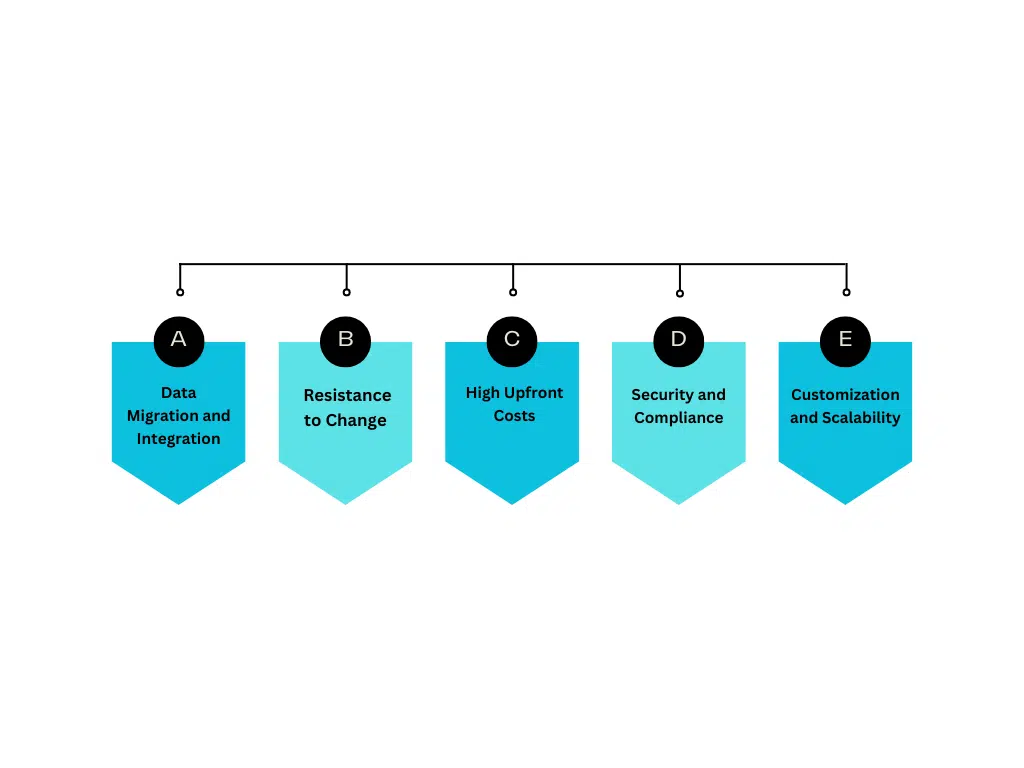
4. Challenges in Implementing CRM in Freight Forwarding
While the advantages of integrating CRM software are substantial, freight forwarders must also be aware of the challenges involved in implementation.
A. Data Migration and Integration
One of the biggest challenges of CRM implementation is data migration. Freight forwarding companies typically deal with vast amounts of data, often stored across multiple platforms or legacy systems. Migrating this data into a CRM system can be a time-consuming and complex process, especially if there are issues with data quality, such as duplicate or outdated records. Additionally, integrating the CRM system with other logistics management tools, such as TMS (Transport Management System) or ERP (Enterprise Resource Planning) software, can pose compatibility challenges.
B. Resistance to Change
Another challenge freight forwarders face is resistance to change. Employees who are used to traditional processes may be reluctant to adopt new systems, especially if they involve a steep learning curve. Proper training is essential to help employees become familiar with the new system and understand its benefits. Moreover, fostering a company culture that embraces innovation and data-driven decision-making will help overcome resistance to change.
C. High Upfront Costs
Implementing CRM software requires a significant upfront investment, especially for small- to medium-sized companies. Costs may include software licenses, customization, data migration, and employee training. While the long-term benefits of a CRM system are clear, companies must carefully evaluate their return on investment (ROI) and ensure that the implementation aligns with their long-term business goals.
D. Security and Compliance
As CRM systems store large amounts of sensitive customer data, security is a top concern. Freight forwarders must ensure that their CRM systems have robust security measures, such as encryption, multi-factor authentication, and regular software updates to protect against cyberattacks. Additionally, businesses must comply with data protection regulations, such as GDPR, to avoid legal penalties and protect their reputation.
E. Customization and Scalability
While CRM systems come with a range of features, freight forwarding companies may need to customize the software to meet their specific operational needs. Customization can be both time-consuming and expensive, particularly for businesses with unique workflows. As the company grows, the CRM system must also scale to handle increased data and customer interactions, requiring careful planning and system selection.
5. Overcoming Challenges: Best Practices for CRM Integration
To maximize the benefits of CRM integration while mitigating potential challenges, businesses should follow several best practices:
- Thorough Planning: Before implementing a CRM system, companies should assess their existing workflows, customer touchpoints, and data management processes. This ensures that the new system is aligned with their business goals.
- Data Quality: Investing time and resources into cleaning and standardizing data before migration is critical. High-quality data leads to better decision-making and smoother system integration.
- Employee Training: Comprehensive training is essential to help employees understand the new system’s functionality and its benefits. A strong change management strategy can also help ease the transition and foster a culture of innovation.
- Security and Compliance: Ensuring that data is protected and regulations are followed is critical to safeguarding customer information and maintaining trust.