The Future of Freight Forwarding: How Technology is Shaping the Industry
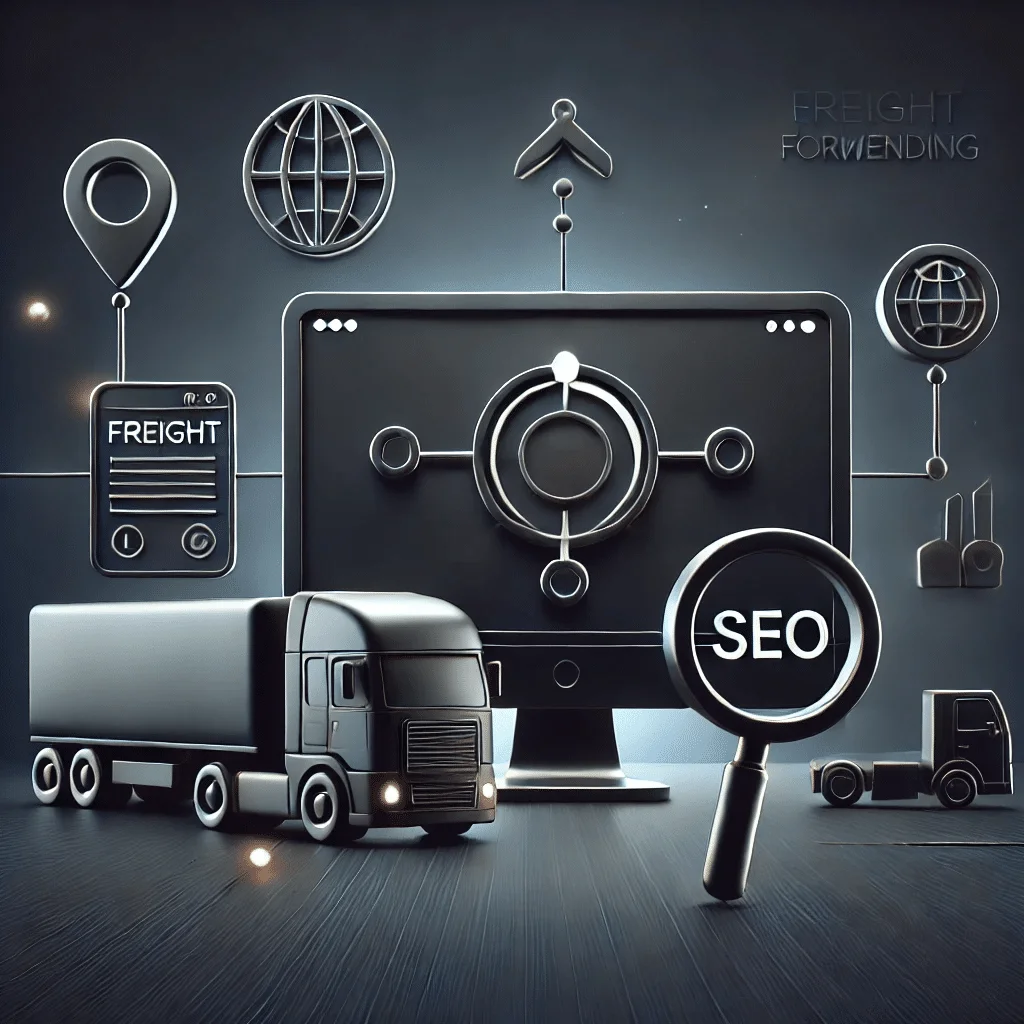
Freight forwarding has been a vital cog in the wheel of the global supply chain, and lately, it has been experiencing seismic shifts with regard to the rapid adoption of freight software solutions, in addition to great emphasis on SEO for logistics companies. These two components form the backbone for a freight company seeking to streamline their operations and be at par in this digitally-driven world: technology and digital marketing.
The freight forwarder has to maintain a delicate balance between complex logistics and superlative customer service, which is where freight software steps in. However, in today’s digital world, state-of-the-art software is just not enough. Freight forwarders also need to ensure that their target audience is finding them easily on the internet, and this is where SEO strategies become so vital.
In this blog, we discuss how these technological tools and digital marketing tactics are changing the face of freight forwarding and setting companies up for success.
The Power of Freight Software Solutions:
Freight forwarding is an international supply chain that covers everything, from tracking shipments to the management of customs regulations to communicating with suppliers. Traditionally, freight forwarders had to perform these activities manually, which was highly time-consuming and riddled with inefficiencies. Freight software solutions have revolutionized how logistics companies can work much easier and productively by simplifying complicated tasks and increasing overall efficiency.
1. Improved Operational Efficiency:
Among the direct benefits of using freight software solutions is operational efficiency. The modern software platforms offer automation in everything—from route optimization to document management—in the shipment process. This brings down human error to almost negligible levels, apart from enabling a company to pay more attention to strategic work related to building relations with customers and expanding into newer markets.
2. Real-Time Visibility and Transparency:
Customers, in the Amazon age, want updates regarding their shipment in real-time. To feed this, freight software solutions provide real-time visibility into customer shipments, from origin to destination. This real game-changer in transparency offers peace of mind to the clients and lessens the need for constant communication between parties.
3. Compliance and Risk Management:
Freight forwarders must operate within a plethora of national and international regulations. Penalties and shipment delays are the natural consequences for non-compliance. Freight software solutions enable companies to keep ahead of regulations, with automated checks on compliance and completed documentation.

SEO for Logistics Companies: The Game-Changer in Digital Marketing:
While freight software solutions make freight logistics really easy, businesses must have a strong digital presence to attract a lot of new customers. And this is just where logistics SEO takes the front seat. SEO, or Search Engine Optimization, is a strategy that businesses adopt to rank high on the Search Engine Results Page, ensuring that anyone looking for services similar to yours can find you with ease. To freight forwarders, it would mean more exposure, more leads, and finally, more business.
1. The Power of Keyword Optimization:
Keyword optimization is said to be the heart of any SEO strategy. Logistics companies need to target the right set of keywords that customers might search for. Terms like “freight software solution” or “logistics management” will drive organic traffic to a freight forwarder’s website.
2. Content Marketing for Logistics Companies:
Great, relevant content is the linchpin to gaining authority in the logistics space. Through blogging, case studies, or white papers that talk about the challenges of the industry, a solution of freight software, or SEO strategies, your business will be able to establish its thought leadership while improving its search rankings.
3. Building Backlinks to Establish Authority:
Backlinks, or links coming from other websites to your own, are one of the most crucial elements in SEO. Essentially, they tell search engines that your website is a good source for information. If logistics companies can get links coming from other industry-specific sites or blogs, their rankings in the search would increase by a huge margin.
4. Local SEO: Attracting Nearby Clients
Freight forwarding is generally a local business, and optimizing for local SEO will enable logistics companies to attract clients in the immediate area. This includes optimization of Google My Business profiles, review collection, and location-based keyword targeting, such as “logistics companies in [city].”
Technical SEO for Logistics Websites:
Technical SEO provides the optimization of the backside of your website. User experience and search engine ranking will be improved. Each logistics company should have a mobile-friendly website. It is supposed to load very fast and be easy to navigate.
Freight Software Solutions and SEO: The Synergy
Combining freight software solutions with SEO for logistic companies can develop a tremendous synergy that supports businesses in their quest to thrive in a highly competitive marketplace. Although freight software improves internal efficiency and customer satisfaction, SEO is important in helping your target audience find you online with ease.
1. Using Freight Software Data to Your Advantage in SEO:
Freight software can provide rich insights into client preferences, common routes, and services selected on numerous occasions. This one can then build a Search Engine Optimization strategy around, based on real-world insights as to what keywords or topic areas to target.
2. SEO-Optimized Content for Marketing Freight Software:
The freight forwarder who is also offering freight software solutions of their own may promote such tools through SEO-optimized content. Content development in the form of your software’s benefits, customer success stories, and industry insights may bring in traffic and, consequently, leads.
Conclusion:
In this rapid-service segment of logistics, freight software solutions and SEO for logistics companies are no longer a luxury but a highly important necessity. Such software enhances operational efficiency, customer satisfaction, and regulatory compliance, while SEO helps logistic companies stand out in a crowded marketplace and attracts prospective clients for more business.
Freight forwarders that invest in both technology and SEO are sure to be well-positioned in the future. With state-of-the-art software, together with an effective digital marketing strategy, logistics companies will be better able to face modern challenges of supply chain management and thrive within an extremely competitive industry.