How Automation Can Transform Freight Forwarder Network Operations

Introduction:
Automation is revolutionizing various industries, and the logistics sector is no exception. Freight forwarding, which traditionally involved a great deal of manual labor and paperwork, is now being transformed by automation technologies. From tracking shipments to optimizing routes, automation is helping freight forwarders streamline operations, improve efficiency, and reduce costs.
With the growing complexity of global supply chains, the integration of automation in freight forwarding has become a necessity. This shift is helping businesses not only to stay competitive but also to enhance customer satisfaction by ensuring timely deliveries and minimizing errors. In this blog, we will explore how automation is changing the landscape of freight forwarding, the benefits of logistics automation, and the role of AI in logistics. If you’re looking to learn more about how automation can improve your logistics business, you can also explore Digital Boost’s services for logistics businesses
The Role of Automation in Freight Forwarding
Automation in freight forwarding refers to the use of technology to handle repetitive and time-consuming tasks such as booking shipments, managing documentation, tracking, invoicing, and compliance. By automating these processes, freight forwarders can significantly reduce the risk of human error and accelerate their operations. The technology enables companies to process large volumes of data efficiently and provide real-time information to clients.
One of the key advantages of automation in freight forwarding is the ability to streamline communication. Freight forwarders deal with various stakeholders, including shippers, carriers, customs brokers, and clients. Automation helps centralize communication channels, ensuring that all stakeholders are kept in the loop regarding shipment status, customs clearance, and potential delays. With real-time updates and notifications, freight forwarders can provide better service to clients while also improving their internal processes.
Another area where automation is making a huge impact is document management. The logistics industry generates massive amounts of paperwork, from bills of lading to customs declarations. Manually handling these documents can lead to errors, delays, and compliance issues. Automation systems not only organize and store these documents electronically but also ensure they are accurate and accessible whenever needed. To learn more about how automation can impact your logistics business, visit Digital Boost’s insights on logistics automation.
Key Benefits of Logistics Automation
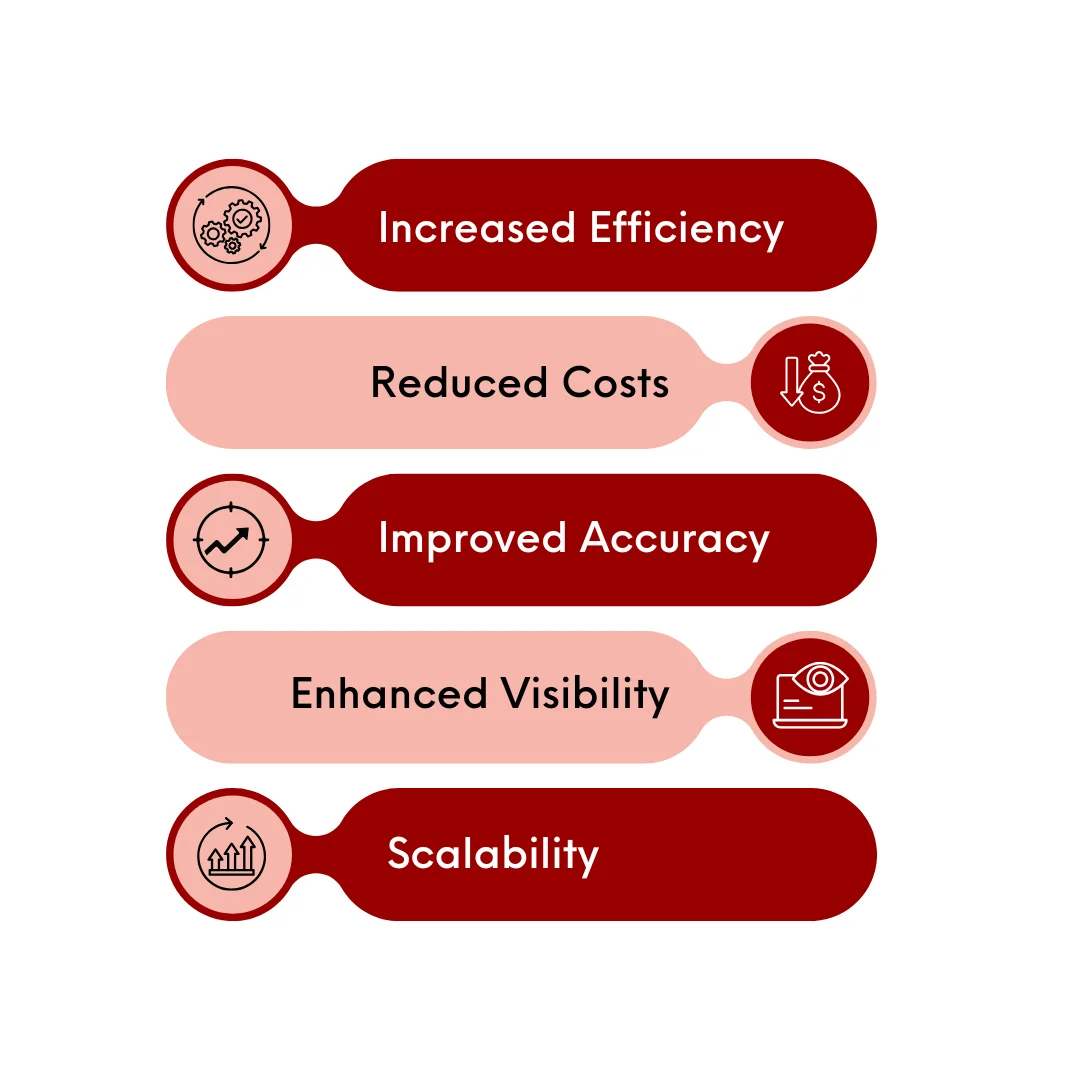
Logistics automation offers several key benefits that are transforming how freight forwarders operate. Let’s dive into some of the most significant advantages:
- Increased Efficiency:By automating repetitive tasks, freight forwarders can free up valuable time and resources. Automation allows employees to focus on more strategic tasks rather than being bogged down by manual data entry, document processing, or responding to routine inquiries. This increased efficiency translates to faster processing times and more streamlined operations.
- Reduced Costs: Automation helps to lower operational costs by reducing the need for manual labor and minimizing errors. For instance, an automated system can handle shipment booking, tracking, and documentation processes at a fraction of the cost and time it would take a human workforce. Moreover, automated systems are less prone to errors, meaning fewer costly mistakes and delays.
- Improved Accuracy: Logistics automation systems are designed to process data with precision. By removing the human element from data entry, freight forwarders can significantly reduce the risk of errors in shipment details, invoicing, or customs documentation. This improved accuracy ensures smoother operations and fewer disputes with clients and carriers.
- Enhanced Visibility: Real-time tracking is one of the most important aspects of logistics automation. Freight forwarders can leverage automation tools to provide clients with up-to-date information on the status of their shipments. This increased visibility leads to better customer satisfaction, as clients can track their goods and receive timely updates on any delays or issues.
- Scalability: Automation allows freight forwarders to easily scale their operations as their business grows. Whether handling 100 shipments or 10,000, automated systems can adapt to increased volumes without compromising on efficiency or accuracy. This scalability is critical for freight forwarders looking to expand into new markets or handle larger clients.
For additional insights on boosting operational efficiency, check out this guide to logistics automation from Freight Waves.
AI in Logistics: The Next Step in Automation
While automation has already brought numerous benefits to the logistics industry, the next frontier lies in artificial intelligence (AI). AI in logistics is being used to optimize processes, predict demand, and improve decision-making. Freight forwarders are leveraging AI technologies such as machine learning, predictive analytics, and natural language processing to further enhance their operations.
One of the key applications of AI in logistics is in route optimization. Traditional route planning relies on historical data and predefined routes, but AI can analyze real-time data, such as traffic conditions, weather patterns, and fuel costs, to suggest the most efficient routes. This capability not only helps to reduce delivery times but also minimizes fuel consumption and lowers operational costs.
AI is also transforming the demand forecasting process in logistics. Freight forwarders deal with fluctuations in shipment volumes depending on seasonality, market trends, and geopolitical factors. By using AI to analyze historical data and current market conditions, freight forwarders can predict future demand more accurately, ensuring they have the right resources in place to meet client needs. This predictive capability helps businesses avoid overstocking or under-utilizing their fleet and workforce.
Moreover, AI-driven chatbots and customer service systems are becoming more common in freight forwarding. These systems use natural language processing to interact with clients, answer inquiries, and provide real-time updates on shipments. AI chatbots can handle multiple inquiries simultaneously, improving response times and freeing up customer service agents for more complex tasks. This level of automation greatly enhances the client experience by providing timely and accurate information with minimal human intervention. For more information on how AI is reshaping logistics, check out Supply Chain Dive’s report on AI in logistics.
Logistics Automation: The Future of Freight Forwarding
The future of freight forwarding is undeniably tied to logistics automation. As more companies adopt automation technologies, the freight forwarding landscape will become more competitive, with those embracing innovation likely to emerge as leaders in the industry.
Logistics automation is not limited to just tracking shipments or managing documents. It has the potential to revolutionize every aspect of the freight forwarding process, from warehousing to customs clearance. Automated systems can handle inventory management, optimize warehouse layouts, and ensure timely order fulfillment with minimal human intervention.
Customs clearance, a notoriously complex and time-consuming process, is another area ripe for automation. Automation tools can streamline customs documentation, ensure compliance with local regulations, and reduce the time it takes to clear goods at borders. This not only speeds up delivery times but also reduces the likelihood of customs-related delays and fines.
Additionally, the integration of Internet of Things (IoT) devices into logistics automation is already transforming freight forwarding operations. IoT devices, such as sensors and GPS trackers, provide real-time data on the condition and location of goods in transit. This data can be integrated into automation systems to monitor temperature-sensitive shipments, track vehicle performance, and optimize fleet management. As IoT technology continues to evolve, it will enable even more sophisticated automation systems that can proactively address issues before they escalate.
Conclusion
Automation is transforming freight forwarder network operations, bringing unprecedented levels of efficiency, accuracy, and scalability to the logistics industry. From automating documentation and shipment tracking to using AI for route optimization and demand forecasting, freight forwarders are leveraging cutting-edge technologies to stay competitive and deliver better services to their clients.
The benefits of logistics automation are clear: increased efficiency, reduced costs, improved accuracy, and enhanced visibility. As more freight forwarders adopt automation tools, the industry will continue to evolve, making freight forwarding faster, more reliable, and more cost-effective.
Looking ahead, the integration of AI and IoT technologies will further revolutionize freight forwarding operations, enabling freight forwarders to make smarter decisions, predict demand more accurately, and provide real-time updates to clients. While there are challenges in adopting automation, the long-term benefits make it a worthwhile investment for freight forwarders looking to thrive in an increasingly competitive market.
As the logistics industry continues to embrace automation, freight forwarders must stay ahead of the curve by investing in the right technologies and training their staff to effectively manage automated systems. In doing so, they can unlock new levels of efficiency and drive the future of logistics forward.